
An approachable technical comparison of lighting scenes, keypads, dimming and architectural integration.
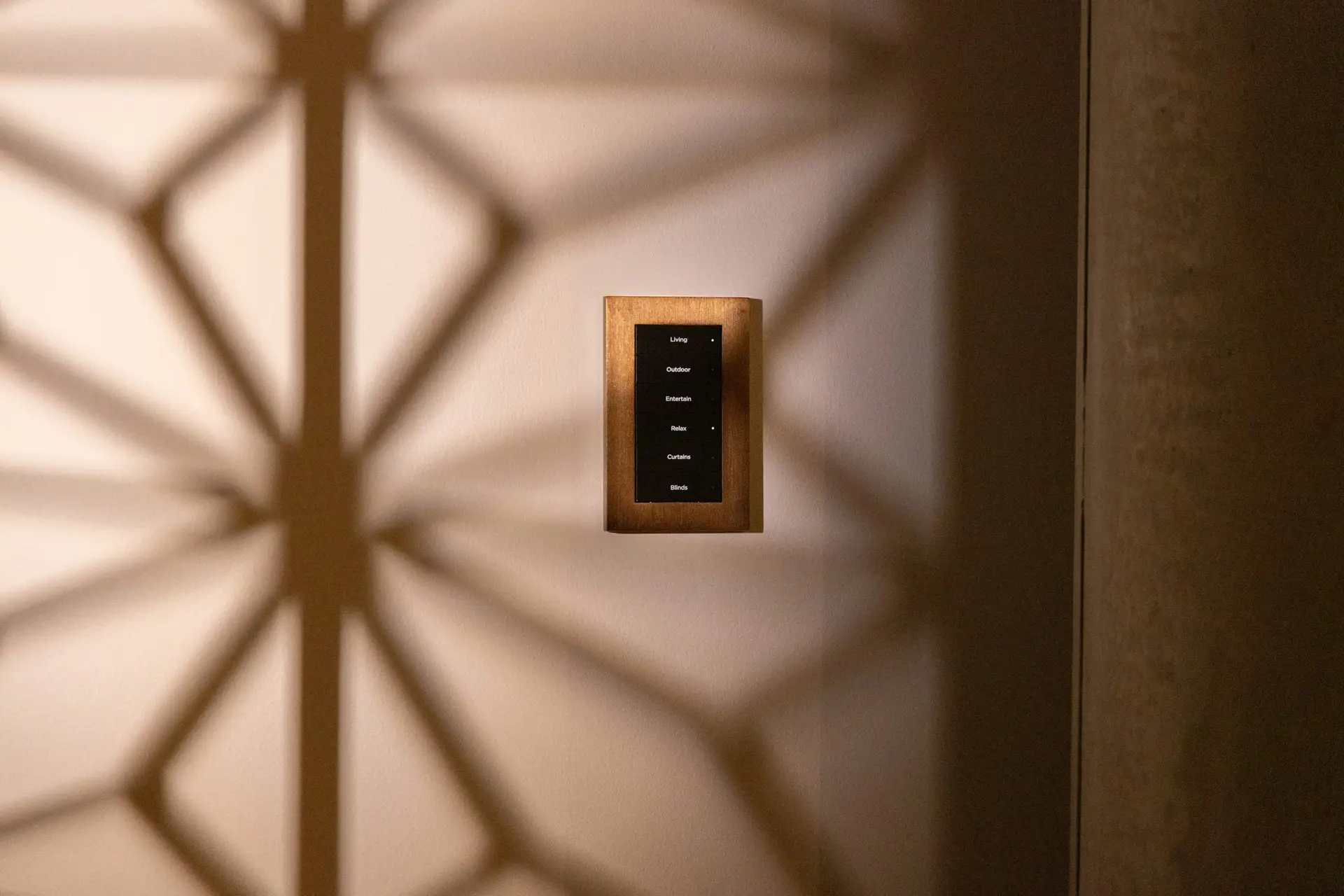
A smart bulb can be an excellent solution for a lamp. But a home with layered architectural lighting, feature pendants and dozens of circuits has a different requirement: every space needs to feel consistent, intuitive and beautifully lit. The question is less about which app to choose, and more about what type of lighting control should be designed into the home.
Individual wireless bulbs typically control compatible fittings one by one or in software groups. A professionally designed system such as Control4 lighting can coordinate appropriate switches, dimmers, keypads and programmed scenes across multiple zones. BLUTEK assesses how rooms connect, which lighting circuits need individual control and how people will operate the system without relying exclusively on a phone. A guest should be able to turn on the lights without a demonstration.
Practical distinction: A lighting scene is a planned combination of outputs, not simply a colour-changing bulb.
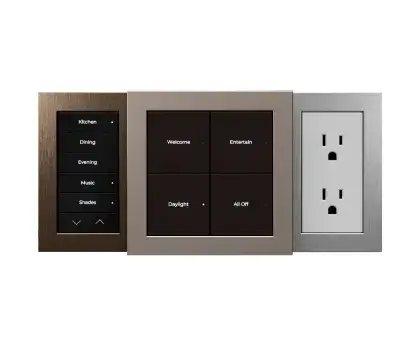
Premium interiors often mix downlights, LED strips, decorative pendants and other architectural fittings. Different drivers and loads respond differently to dimming. BLUTEK coordinates with the lighting designer and electrician to establish the appropriate control method and compatible hardware. On specified projects this may involve DALI or another suitable lighting-control approach. Flicker, low-end dimming, colour-temperature consistency and commissioning must be considered before installation.
Technical checkpoint: Identify the drivers, dimming protocols and circuits before confirming a keypad or automation design.
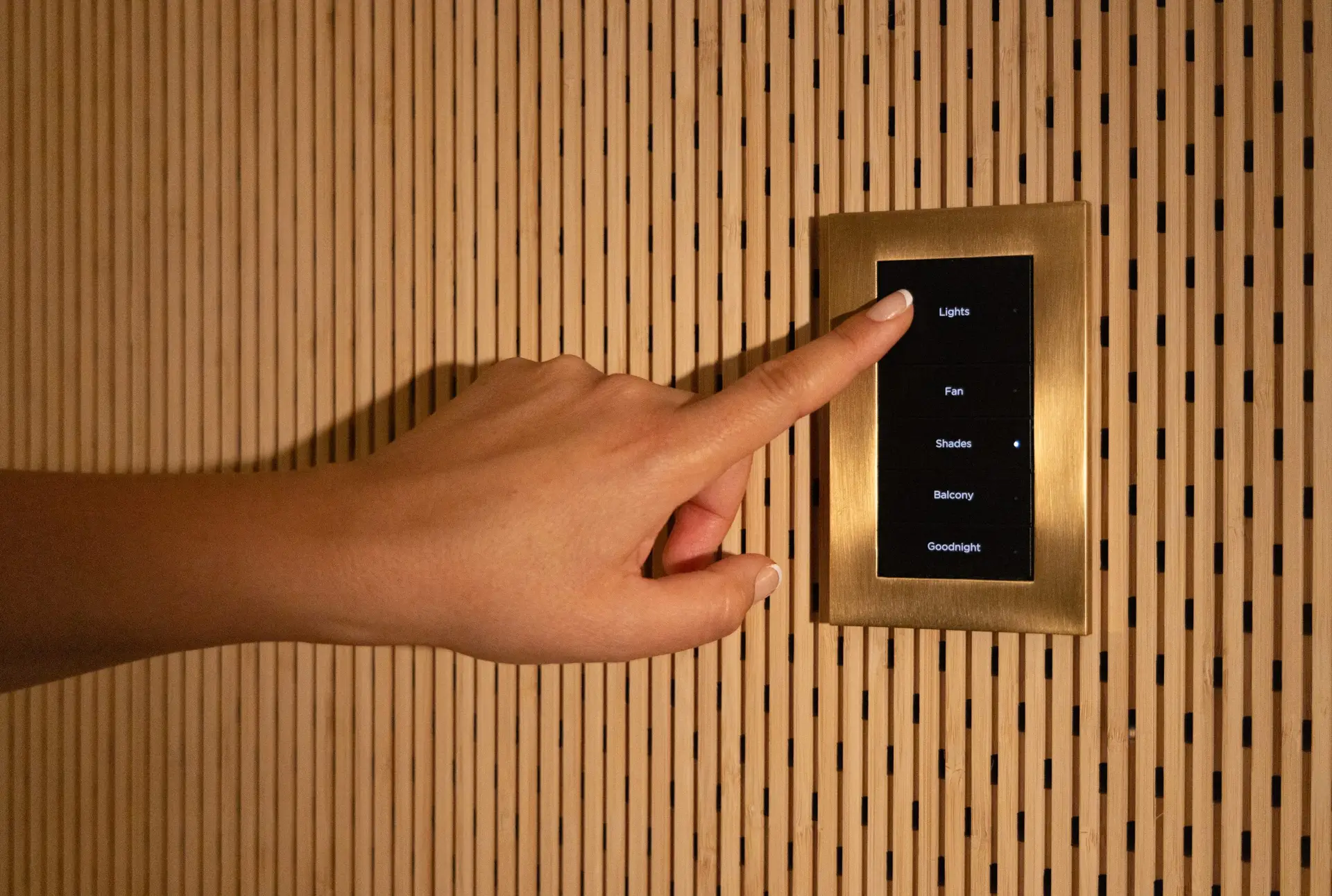
With suitable equipment, lighting can work alongside motorised blinds, selected climate functions and home entertainment through a coordinated Control4 experience. BLUTEK programmes scenes for activities such as arriving home, dining or cinema viewing, then refines how the home responds in real use. Tunable lighting can also support preferred time-of-day routines when the fittings and drivers provide the necessary capability. These are design choices, not automatic features of every installation.
Design checkpoint: Document the scenes and user controls before choosing the wall plates and software layout.
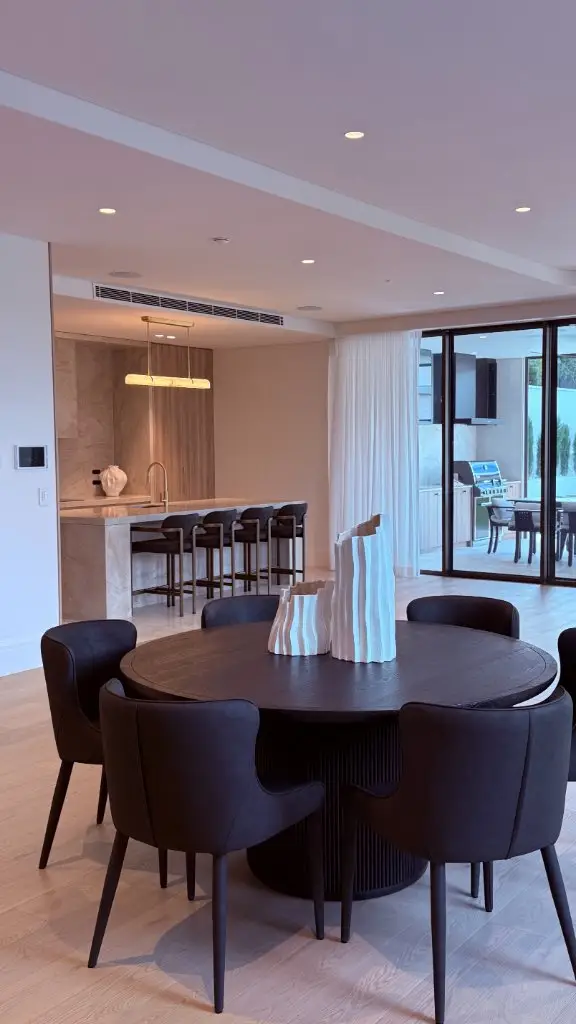
Good smart lighting is specified jointly by the interior designer, electrical contractor and integrator. The aim is a consistent lighting experience that complements the home’s finishes—not more devices or apps.
It can be, depending on the existing wiring, loads, switch locations and integration requirements. The retrofit approach should be assessed on site.
No. DALI is a lighting-control protocol. Whether or how it integrates with a broader automation platform depends on the specified equipment and interface.
Tell us about your plans, project stage and technology goals. BLUTEK can help assess the scope and practical next steps.

